
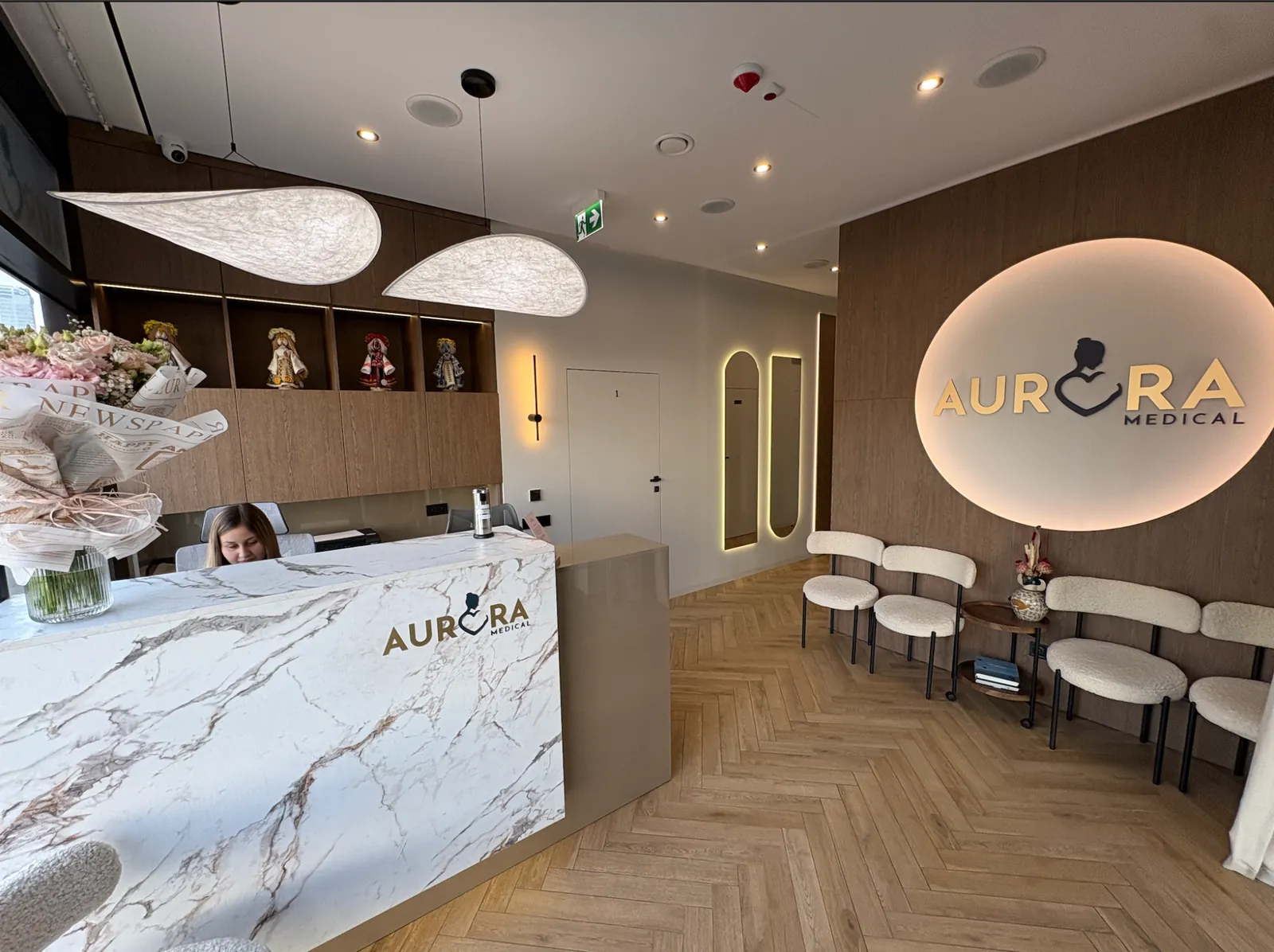
What the Longevity package in Warsaw includes
This is a separate, individual package: there is no ready-made test list for everyone. The doctor sets the scope after talking with you.
Doctor consultation before the tests
A conversation about how you feel, your lifestyle, family history and earlier tests. The doctor decides which tests you actually need.
Individually selected tests
Blood and urine are collected at our clinic in Warsaw. Only the markers that matter in your situation.
Consultation after the results
Online or at the clinic, whichever suits you. The doctor explains the results and gives recommendations.
Evidence-based medicine
Tests and recommendations follow current clinical guidelines, with no unnecessary testing.
The doctor agrees the test list and the package cost with you at the first consultation.
How the Longevity programme works: three steps
One doctor leads the programme, from the first conversation to follow-up tests.
Consultation before the tests
The doctor asks about how you feel, your lifestyle, family history and earlier tests, then selects the tests for you.
Sample collection
Blood is taken at our clinic in Wola; you bring a urine sample from home. One visit, in the morning, fasting.
Consultation after the results
Online or at the clinic. The doctor explains what each marker means and builds a plan: diet, activity, sleep, treatment if needed and a follow-up date.
What the doctor may check
More than 140 markers across 14 areas. The doctor decides at the first consultation which of them you actually need.
Blood
Full blood count with automated differential: red and white cells, platelets, anaemia indices.
Markers
HGB, HCT, RBC, MCV, MCH, MCHC, RDW-CV, WBC, neutrophils, lymphocytes, monocytes, eosinophils, basophils (# and %), immature granulocytes, NRBC, PLT, MPV, PCT, PDW, P-LCR
Urinary system
Creatinine, eGFR, cystatin C and urinalysis: a broader view of kidney function than creatinine alone.
Markers
creatinine, urea, uric acid, eGFR, cystatin C, cystatin C eGFR, urine albumin and creatinine, ACR, urinalysis (colour, clarity, specific gravity, pH, protein, glucose, bilirubin, urobilinogen, ketones, nitrites, leukocytes, erythrocytes)
Liver
ALT, AST, GGT, FIB-4: liver enzymes and a fibrosis index.
Markers
ALT, AST, GGT, alkaline phosphatase (ALP), total, direct and indirect bilirubin, total protein, albumin, globulins, A/G ratio, De Ritis ratio (AST/ALT), GGT/HDL, FIB-4
Heart and vessels
Lp(a), lipid profile, Apo B, Apo A1 and atherogenic indices: risk that total cholesterol does not show.
Markers
total cholesterol, HDL, LDL, non-HDL, VLDL, remnant cholesterol, triglycerides, Apo B, Apo A1, Apo B/Apo A1, Apo B/LDL, Lp(a), homocysteine, atherogenic index of plasma (AIP), TC/HDL, LDL/HDL and TG/HDL ratios, SCORE2 (from age 40)
Inflammation and immunity
hs-CRP, inflammatory indices from the blood count and protein electrophoresis: silent inflammation.
Markers
hs-CRP, protein electrophoresis: albumin, alpha-1, alpha-2, beta-1, beta-2 and gamma globulins
Vitamins and trace elements
Iron, ferritin, vitamins D and B12, zinc, copper and folate.
Markers
vitamin D 25(OH), vitamin B12, folate, iron, ferritin, transferrin, TIBC, UIBC, transferrin saturation (TSAT), zinc, copper
Glucose metabolism
Glucose, HbA1c, insulin, HOMA-IR, TyG.
Markers
glucose, insulin, glycated haemoglobin (HbA1c), HOMA-IR, TyG index
Electrolytes and minerals
Sodium, potassium, calcium, magnesium, phosphate and chloride.
Markers
sodium, potassium, chloride, total calcium, albumin-corrected calcium, magnesium, inorganic phosphate
Thyroid
TSH, free T4, free T3 and anti-TPO and anti-TG antibodies.
Markers
TSH, FT4, FT3, FT3/FT4, anti-TPO, anti-TG
Hormones
Testosterone, SHBG, PSA and a full sex and hormone panel.
Markers
total, free and bioavailable testosterone, SHBG, free androgen index (FAI), estradiol, LH, FSH, DHEA-S, parathyroid hormone, total and free PSA (men)
Stress
Morning cortisol.
Markers
morning blood cortisol
Muscles
CK: muscle damage after exercise or without a clear cause.
Markers
creatine kinase (CK)
Infections
HBs, anti-HCV, HIV Ag/Ab.
Markers
HBs antigen, anti-HCV antibodies, HIV Ag/Ab (Combo)
Biological age
Biological age and pace of ageing.
Markers
biological age, pace of ageing (calculated from the results)
Some markers are measured by the laboratory; others are calculated by the doctor from the results.
Your health deserves your attention
Cardiovascular disease, cancer, neurodegenerative disease and metabolic disorders (type 2 diabetes above all) are the so-called diseases of civilisation. They are the main chronic threats to adult health and usually develop over years, often without clear symptoms.
The Medicine 3.0 concept puts the emphasis on early prevention and on reducing the risk factors of these four groups of disease. The Longevity package focuses on the markers that help assess risk and plan prevention in exactly this area.
An example. A standard lipid profile is worth extending with Apo B: even when the lipid profile is normal, it adds important information about heart attack risk, because it reflects the number of atherogenic lipoprotein particles¹. Another example is raised Lp(a): a trait that is more than 90% genetically determined, it increases the risk of heart attack, ischaemic stroke and aortic valve stenosis, and diet and statins do not lower it meaningfully².
people in Poland have diabetes
adults in Poland may be vitamin D deficient
of Europeans may have undiagnosed hypothyroidism
of adults in Poland have a cholesterol problem and do not know it
Sources: ¹ Marston NA et al., JAMA Cardiology 2022;7(3):250–256 · ² Kronenberg F et al., European Atherosclerosis Society consensus, European Heart Journal 2022;43(39):3925–3946 · ³ Polskie Towarzystwo Diabetologiczne, Zalecenia kliniczne dotyczące postępowania u osób z cukrzycą – 2026 · ⁴ Płudowski P. et al., Vitamin D status in Poland, Pol Arch Intern Med 2016 · ⁵ Garmendia Madariaga A. et al., J Clin Endocrinol Metab 2014 · ⁶ Pająk A. et al. (WOBASZ II), Pol Arch Intern Med 2016
Longevity doctors in Warsaw
Doctors who see patients in the clinic every day select the tests and explain the results.
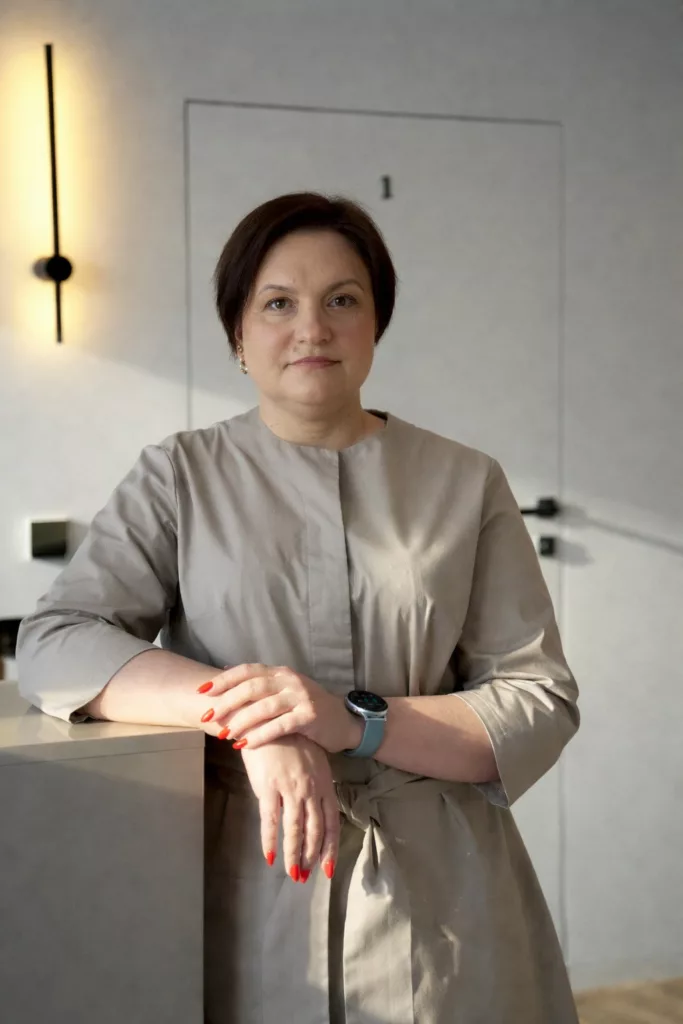
Dr Inna Kaplia
internist with over 20 years of experience. Polish, Ukrainian, Russian.
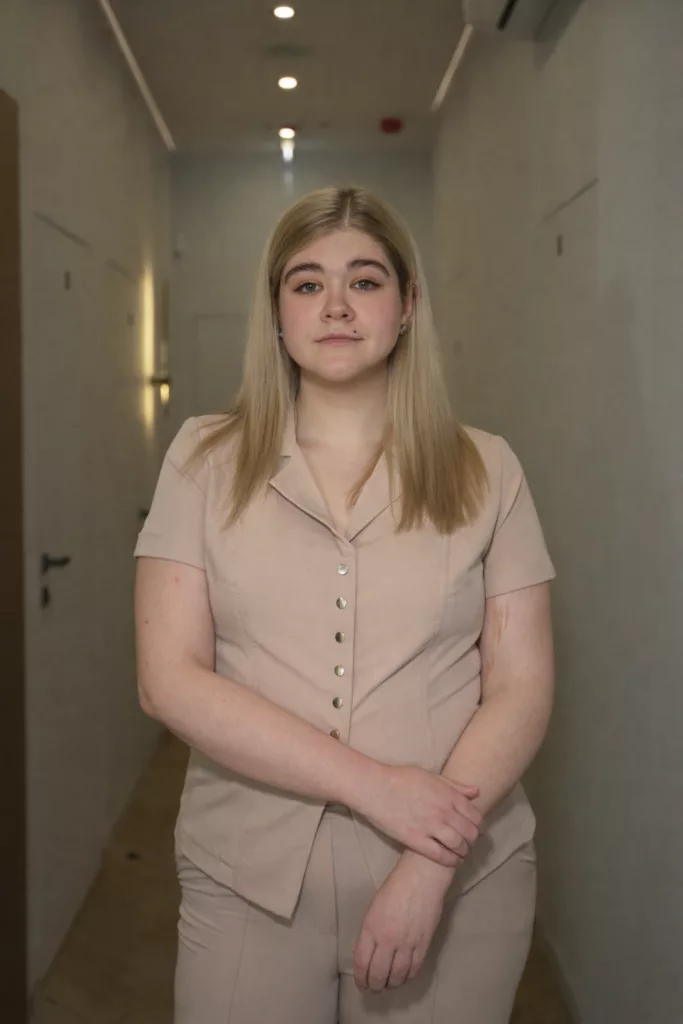
Dr Angelina Sakevich
internist with over 4 years of practice in Poland. English, Polish, Russian, Belarusian.
Frequently asked questions
What is longevity?
Longevity is an approach to health aimed at a long life in good health and good shape. It is linked to Medicine 3.0, which promotes working on the key aspects of health much earlier than is usual today. Instead of treating an existing disease, the doctor looks for risk factors early and helps reduce them.
What is the Longevity package at Aurora Medical?
It is a separate, individual, evidence-based package. It starts with an in-depth conversation with a doctor, then you have the blood and urine tests selected for you, and after the results the doctor explains them and gives recommendations.
What does the package include?
A doctor consultation before the tests, individually selected tests and a consultation after the results, online or at the clinic. The doctor agrees the test list and the cost with you at the first consultation.
I get tested regularly. Does this make sense for me?
This is likely to be the broadest set of tests you have had so far. It includes markers that matter for longevity in particular: Apo B, Lp(a), insulin, a full thyroid assessment with antibodies, ferritin and hs-CRP. Just as important, the results are assessed by a doctor who knows your history, not only the reference ranges on the report.
Do I need a referral, and how do I book?
No referral is needed. Book an internist consultation online on this page or call us; the doctor will order the tests.
Where are the tests done?
At the Aurora Medical collection point in Warsaw, ul. Marcina Kasprzaka 7/U8 (Wola). Blood is taken at the clinic; you collect the urine sample at home in the morning and bring it the same day.
When is the best time for the tests and how do I prepare?
In the morning, fasting: 8–12 hours without food, water is allowed. For 24 hours before collection, stop supplements and avoid exercise, and have a light supper the evening before. Do not stop regular medication; tell the doctor about it.
What do I collect at home?
The first morning urine, midstream. You can buy a container at a pharmacy. Keep the sample in the fridge and bring it to the clinic the same day. All other tests, including cortisol, are done in one visit.
Will someone explain the results to me?
Yes, that is part of the package. At the second consultation, online or at the clinic, the doctor goes through each marker, compares it with earlier results if you have them and gives written recommendations.
What if a result needs treatment?
The doctor will explain the next steps: prescribe treatment, order further tests or refer you to a specialist. If a result is worrying, we will contact you without waiting for the planned consultation.
When will I get the results?
It depends on the test list: most are ready within a few days, some markers take longer. The doctor will give you the exact timing at the first consultation.
How often should I repeat the tests?
Usually every 6–12 months. The test list changes over time: some tests need not be repeated and the doctor adds others based on your results.
Is my data safe?
Yes. Medical data is confidential, processed in line with GDPR and available only to the medical staff working with your results.